How to Prepare for Your First Opera: 9 Tips for a Confident, Elegant Night Out

If this is your first opera, you’re in for a memorable experience. The music, the architecture, the atmosphere-it’s unlike any other cultural event. But many first-time guests wonder what to wear, how to behave, and what to expect once they step inside the opera house.
This guide walks you through everything you need to know-from opera dress codes to etiquette and insider tips-so you can walk into the theater feeling confident, prepared, and fully able to enjoy the evening.
Tip #1 WHAT TO WEAR TO THE OPERA: DRESS CODE FOR MEN AND WOMEN
One of the most common questions first-time attendees ask is, “What should I wear to the opera?” While every opera house has its own culture and level of formality, the general rule is simple: dress as if you’re attending an elevated evening out.
Think polished. Think intentional. Think a touch more refined than your usual night at the theatre.
Opera dress codes today are more flexible than they once were, but the spirit remains the same – respect the art form, respect the space, and enjoy the chance to dress up a little. You don’t need a ball gown or tuxedo (unless you want to), but you also don’t want to look overly casual. Jeans, athletic wear, and overly relaxed outfits tend to feel out of place in most opera houses.
A good rule of thumb:
If you outfit makes you feel confident, elegant, and ready for a special night, you’re on the right track.

Opera Dress Code for Women
- Cocktail dresses are perfect for most performances.
- Long gowns are ideal for opening nights, galas, or more formal venues.
- Elegant separates-silk blouses, tailored trousers, or refined skirts-are stylish and comfortable.
- Choose comfortable heels or dressy flats, especially if the venue has stairs.
- Keep accessories tasteful; avoid oversize hats or noisy jewelry.
Opera Dress Code for Men
- A dark suit with a dress shirt is the standard choice.
- A tuxedo is appropriate for formal nights or if you simply enjoy dressing up.
- For matinees, a blazer with dress trousers works well.
- Wear polished dress shoes-small details matter.
OPERA ETIQUETTE: SIMPLE GUIDELINES FOR A GRACEFUL FIRST VISIT
If you’re new to the opera, understanding a few basic etiquette principles will help you enjoy the performance-and ensure everyone around you can, too. Opera etiquette isn’t about rigid rules; it’s about creating a shared atmosphere where the music, storytelling, and artistry can shine. These small considerations make a meaningful difference, especially in a space designed for acoustics and immersion.
Tip #2 Keep Talking to a Minimum
Opera houses are built to carry sound, and that includes whispers. Even a quiet comment can travel farther than you expect. Save conversations, reactions, and questions for intermission or after the show. This allows everyone-including you-to stay fully present with the performance.
Tip #3 Avoid Strong Scents
Because seating is close and the environment is enclosed, heavy perfume or cologne can quickly become overwhelming. Opt for a light, subtle scent or skip fragrance altogether. It’s a small courtesy that ensure comfort for those around you, especially guests with sensitivities.
Tip #4 Respect the View
Opera is a visual experience as much as a musical one. To avoid blocking someone’s line of sight, avoid leaning forward for long periods and skip hats or accessories that sit high on the head. A clear view helps everyone enjoy the staging, costumes, and storytelling that make opera so captivating.
ENJOYING YOUR FIRST OPERA EXPERIENCE
Beyond dress and etiquette, a few thoughtful habits can elevate your first opera from simply enjoyable to truly unforgettable. Opera is a full-sensory-experience-music, storytelling, architecture, atmosphere-and approaching it with a bit of intention helps you soak in every moment. These simple tips will help you feel prepared, relaxed, and fully immersed in the performance.
Tip #5 Read the Opera Synopsis Before You Go
Opera plots can be dramatic, emotional, and occasionally complex, especially if you’re unfamiliar with the story or the language it’s sung in. Spending just a few minutes reading a synopsis beforehand gives you a sense of the characters, themes, and major plot points.
This small step makes a big difference: instead of trying to decode the storyline in real time, you can focus on the music, staging, and emotion unfolding onstage.
Tip #6 Use Supertitles
Most modern opera houses provide supertitles-translations projected above the stage-to help audiences follow along. They’re there for you, so use them freely.
Even if you’ve read the synopsis, supertitles make it easier to stay connected to the narrative by moment. You’ll catch nuances, humor, and emotional shifts that might otherwise be lost.
Tip #7 Listen to Key Arias Ahead of Time
Opera is filled with iconic musical moments and recognizing them during the performance adds a layer of excitement and familiarity. Listening to a few famous arias or ensemble pieces beforehand helps you tune your ear to the style and gives you something to look forward to.
It’s a bit like previewing the soundtrack before seeing a film-when the melody arrives live, it feels electric.
Tip #8 Take in the Atmosphere
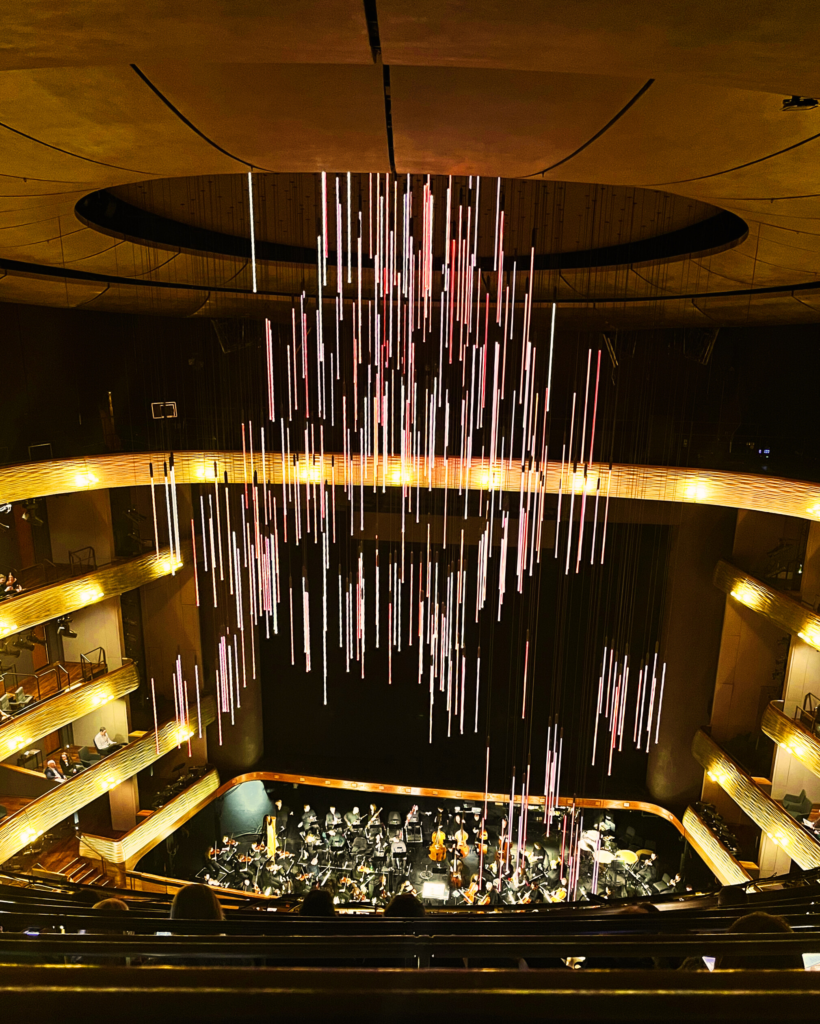
The opera experience begins long before the first note is sung. Notice the architecture, the chandeliers, the hum of the audience settling in. Listen to the orchestra tuning-a ritual that signals the performance is about to begin. Watch the curtain rise and feel the anticipation in the room.
These small, sensory moments are part of the magic and deserve just as much attention as the performance itself.
Tip #9 Relax and Enjoy
Most importantly, remember that you don’t need to be an expert to appreciate opera. You don’t need to know Italian or German, and you don’t need years of musical training. Opera is for everyone-curious beginners included.
Let yourself be carrier by the music, the storytelling, and the spectacle. The more you relax into the experience, the more rewarding it becomes.
FINAL THOUGHTS: YOUR FIRST OPERA SHOULD BE A NIGHT TO REMEMBER
Preparing for your first visit to the opera doesn’t need to feel overwhelming. With a polished outfit, a sense of basic etiquette, and a few thoughtful tips, you’ll walk into the theater feeling ready for a meaningful and memorable evening.
What you connect with will be entirely your own – the performers, the emotion, the staging, or simply the pleasure of experiencing a classic cultural tradition. Stepping into the opera for the first time opens the door to a new kind or night out, one that feels intentional, elegant, and surprisingly welcoming.
You don’t need expertise to enjoy it. All you need is curiosity and the willingness to let the evening unfold. With a little preparation, your first opera becomes more than an outing – it becomes a moment worth savoring.
If this is your first opera, you’re in for a memorable experience. The music, the architecture, the atmosphere-it’s unlike any other cultural event. But many first-time guests wonder what to wear, how to behave, and what to expect once they step inside the opera house. This guide walks you through everything you need to know-from…
About Me

Chesung Subba
Author/Writer
Hello, I'm Chesung Subba, a passionate writer who loves sharing ideas, stories, and experiences to inspire, inform, and connect with readers through meaningful content.
Follow Me
Connect with me and be part of my social media community.
Leave a Reply